Sosha Devta
शोष
Associated with the absolute drying up of tears, deep emotional release, and grief containment, Sodha pada acts as the ultimate cosmic sponge that absorbs mental depression, purges psychological trauma, and stabilizes emotional health within the household.
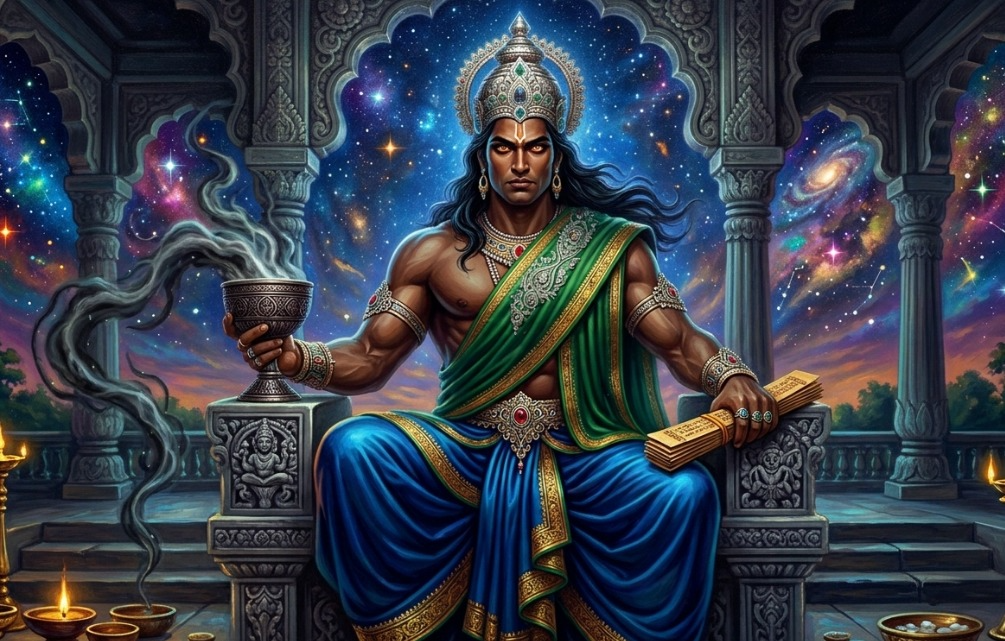
Sosha is the Vedic devta associated with evaporation, the absolute resolution of sorrow, detachment, and emotional drying. Positioned strategically on the edge of the Vayavya Kon, this specialized energy field controls how effectively the home's occupants dehydrate their over-analytical anxieties, dry up past grief, and regain their composure after significant setbacks.
Pada in Vastu Purush Mandal
Sosha resides as the seventh energy field (pada) along the Pashchim perimeter. He sits directly next to Asura (the 6th pada / W6) and serves as the final transition boundary line right before Paapyakshma (the 8th pada / W8), anchoring the threshold of the Vayavya quadrant.
What does this Pada do
Sosha provides the clinical, dry psychological space needed to completely absorb and dissolve running cycles of weeping, deep melancholy, and mental exhaustion, transforming intense grief into structured detachment and practical resilience.
Probable Signs of an Imbalance
If this Pada is blocked or disturbed by heavy unmanaged clutter, main drainage setups, or inappropriate elements, the following issues often manifest in the household:
Endless Grief and Mourning: The family members remain trapped in prolonged emotional stagnation, finding themselves crying frequently or unable to heal from old life crises.
Analysis Paralysis and Lethargy: The residents experience a total block in mental freshness, where their thoughts remain continuously damp and analytical without ever leading to concrete actions.
Balancing and Optimization
To maintain a clean, highly efficient flow of Sosha's absorbing energy, this W7 zone must be precisely calibrated:
Ideal for Letting Go: This specific zone functions exceptionally well when utilized for activities that require drying up or filtering—such as a designated space for reading, deep introspection, or laundry appliances.
Avoid Aggressive Heating Structures: Do not establish main open kitchens, fire ovens, or bright red decorative strips directly on this axis, as fire elements destabilize the natural metallic-dry balance of the sector.
Support with Balanced Metallic Hues: Paint or complement the area using solid shades of off-white, soft matte gray, or light platinum tones, keeping the structural layout crisp, airy, and entirely neat.
Naam Mantra
ॐ भूर्भुवः स्वः शोषाय नमः॥
Naivedya (Offerings)
Roasted parched grains or Murmura (लाजा/मुरमुरा), Roasted sesame seeds (भृष्ट तिल) and Dry fruits (शुष्क फल)
Modern Vastu Pada and Degrees
W7
Angular Degree from Centre: 292.5° to 303.75°