Mula Nakshatra
मूल नक्षत्र
Mula is the nineteenth Nakshatra in Vedic astrology, symbolized by a bunch of roots and ruled by Ketu and Goddess Nirriti. Discover its core astrological features, symbol, four padas, and practical suitability for deep foundations, demolition, South-West Vastu, and real estate.
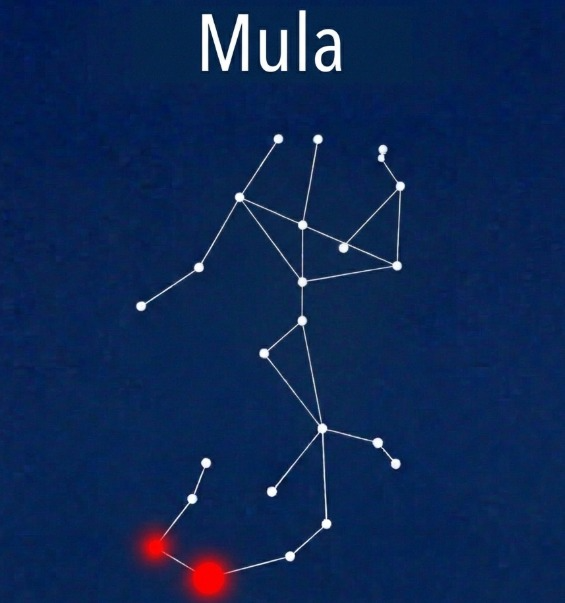
Mula derives its name from Mula, meaning "the root," "foundation," or "core origin." It is the nineteenth Nakshatra in the 27-Nakshatra sequence and marks the beginning of the fiery, philosophical sign of Sagittarius, embodying deep investigation, uprooting illusions, foundational strength, and transformative renewal.
The tied bunch of roots or elephant goad (Ankusha) symbolises reaching the core truth of any matter, anchoring deeply into the earth, and cutting away superficial attachments. Consequently, Mula is traditionally associated with deep foundations, structural uprooting, botanical/herbal vitality, and radical new beginnings.
Nakshatra | |
Nakshatra (Constellation) | Mula |
Nakshatra Grah (Planet) | Ketu |
Symbol | Tied Bunch of Roots / Elephant Goad (Ankusha) |
No | |
Yes | |
Nadi | Aadya |
Yoni | Shwana (Dog) |
Gana | Rakshasa |
Aaradhya-Vriksh | Sal / Raal (Shorea robusta) |
Daan | Iron |
Devta | Nirriti (Goddess of Dissolution, Roots & Transformation) |
Adhomukha Nakshatra (Downward-Facing) | |
Sulochana (Clear-Eyed Nakshatra) | |
Vayu (Air) | |
Tikshna / Daruna (Sharp & Dreadful) | |
Core traits | Investigative, philosophical, direct, resilient, transformative, independent, and driven to uncover foundational truth |
Nakshatra Rashi | |
Rashi | Sagittarius |
Degree | 00°00′ – 13°20′ in Sagittarius |
Rashi Grah (Planet) | Guru (Jupiter) |
Rashi Varna | Kshatriya |
Rashi Vashya | Dwipad / Manav (1st Half) & Chatushpad (2nd Half) |
Rashi Tatva | Agni (Fire) |
Nakshatra Padas | ||||
Details | First Pada | Second Pada | Third Pada | Fourth Pada |
Pada Rashi | Mesh (Aries) | Vrishab (Taurus) | Mithun (Gemini) | Kark (Cancer) |
Degrees | 00°00′ – 03°20′ | 03°20′ – 06°40′ | 06°40′ – 10°00′ | 10°00′ – 13°20′ |
Pada Planet | Mangal (Mars) | Shukra (Venus) | Budh (Mercury) | Chandra (Moon) |
Letter (English) | Ye / Yay | Yo | Bha / Ba | Bhi / Bhee / Bi |
Letter (Hindi) | ये | यो | भा / बा | भी / बी |
Traits | Bold, pioneering, direct, and fearless | Grounded, resourceful, patient, and materially focused | Analytical, inquisitive, communicative, and research-oriented | Emotional, protective, intuitive, and deeply reflective |
Property and Vastu Suitability under Mula Nakshatra
Deep Excavation, Foundations & Piling Work (Favorable): Symbolized by roots (Mula) and oriented Adhomukh (downward-facing), Mula is naturally aligned with deep foundation digging, underground piling, borewells, and root-level structural anchoring—provided the sensitive 1st Pada (Gand Mool junction at 00°00′–03°20′ Sagittarius) is avoided.
Demolition & Uprooting Old Structures (Highly Favorable): Governed by Goddess Nirriti (dissolution) and classified as Teekshna (sharp), it is ideal for demolishing condemned buildings, uprooting dead trees, and clearing deep-seated site defects.
Landscaping, Orchards & Herbal Gardens (Favorable): Reflecting its root symbolism, it supports planting deep-rooted trees, medicinal herb gardens, and agricultural plantations.
Nirriti / South-West Zone Vastu Remedies (Highly Favorable): Directly linked to Nirriti (the guardian deity of the South-West Nairutya corner), it is potent for performing Vastu rectifications to stabilize heavy South-West energy imbalances.
Residential Purchase, Bhoomi Pujan & Griha Pravesh (Avoid): Because Mula is both a Teekshna (sharp) and Gand Mool nakshatra ruled by Ketu and Nirriti, traditional Vastu Muhurta strictly avoids it for buying family homes or performing Griha Pravesh to prevent detachment or domestic upheaval.
Mula Nakshatra is best harnessed in Vastu for uprooting old structures, anchoring deep underground foundations, and correcting South-West (Nairutya) Vastu imbalances rather than initiating peaceful domestic occupancy.