Apavatsa Devta
आपवत्स
Positioned right beside Apaha devta, this vital inner energy field represents the divine child of the cosmic waters and the sacred medicinal essence (Soma-rasa), directly regulating healing nourishment, cellular rejuvenation, emotional comfort, and the practical delivery of immunity within the household
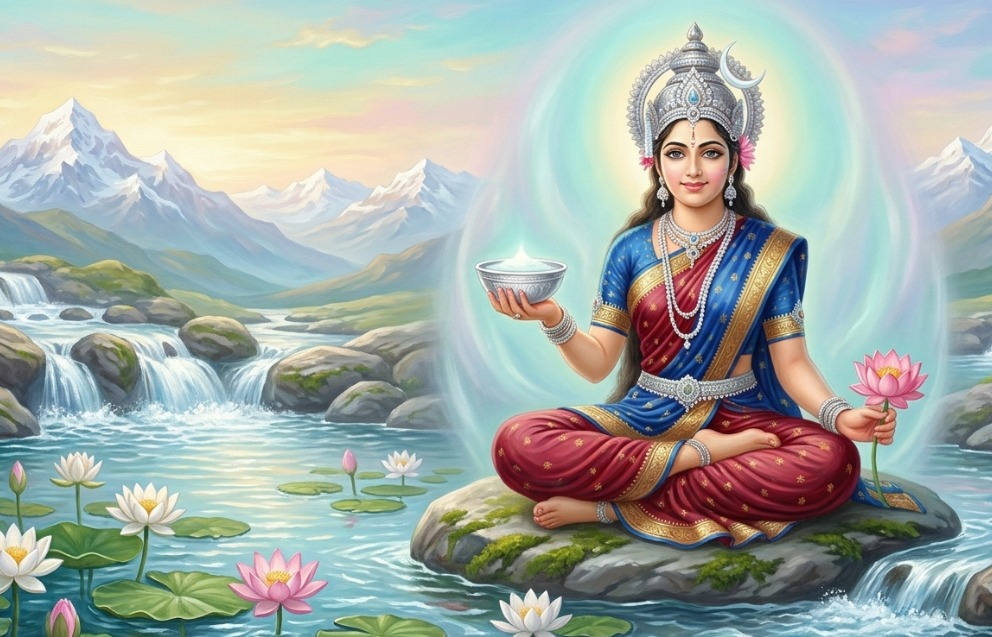
Apavatsa (literally translating to Child of the Waters and traditionally revered as the nourishing aspect of the sacred aquatic forces) is the Vedic devta associated with gentle care, curative relief, mental soothing, and vital sustenance. Positioned immediately North-East of Apaha along the diagonal leading toward the North-East corner, this energy field acts as the conduit that delivers healing energy and nourishment directly to the occupants.
Pada in Vastu Purush Mandal
Apavatsa resides in the inner ring (Antahpada) along the North-East diagonal of the Vastu Purush Mandal. In a 9×9 (81-pada) grid, he occupies the diagonal pada immediately North-East of Apaha (sitting between Apaha and the outer Ishanya Kon padas Diti / N8 and Shikhi / E1), flanked by Prithvidhar to the Vayavya Kon and Aryama to the Agneya Kon.
What does this Pada do
Apavatsa provides the soothing, restorative energy required to accelerate physical recovery, calm emotional agitation, support healthy child development, and ensure that medicines and nourishing foods work effectively for the family.
Probable Signs of an Imbalance
If this inner Pada is blocked or disturbed by heavy storage, fire elements, staircases, or toilets, the following issues often manifest in the household:
Slow Recovery and Malnourishment of Vitality: Family members feel chronically drained, experience sluggish healing after illness, and struggle to absorb nourishment or medicinal relief.
Emotional Restlessness in Children and Family: Occupants experience heightened irritability, lack of comfort at home, and recurring minor health complaints.
Balancing and Optimization
To maintain a pure, nurturing flow of Apavatsa's healing energy, this crucial inner North-East zone must be carefully managed:
Keep the Inner North-East Open and Clean: As an inner pada along the sacred North-East axis, keep this area airy, spotless, and free of heavy furniture or structural clutter.
Strict Prohibition of Fire and Toilets: Never construct kitchen stoves, open fireplaces, or toilets in this inner North-East zone, as fire and waste disrupt the gentle, curative water element of Apavatsa.
Enhance with Pure and Soothing Hues: Decorate this space using pristine off-white, soft pastel aqua, or light mint-green shades, maintaining bright natural lighting and peaceful surroundings.
Naam Mantra
ॐ भूर्भुवः स्वः अपवत्साय नमः॥
Naivedya (Offerings)
Sweetened milk pudding or Kheer (खीर), Pure cow milk with honey (मधुयुक्त गोदुग्ध) and Fresh white flowers (श्वेत पुष्प)
Modern Vastu Pada and Degrees
Inner North-East Zone (Antahpada – Ishanya Kon Diagonal)
Angular Degree from Centre: 22.5° to 67.5° (centered along the 45.0° North-East diagonal in the inner ring)