Aditi Devta
अदिति
Representing the boundless Cosmic Mother of all Devas and Adityas, this deeply nurturing energy field directly regulates unconditional protection, spiritual clarity, emotional security, and limitless creative expansion within the household.
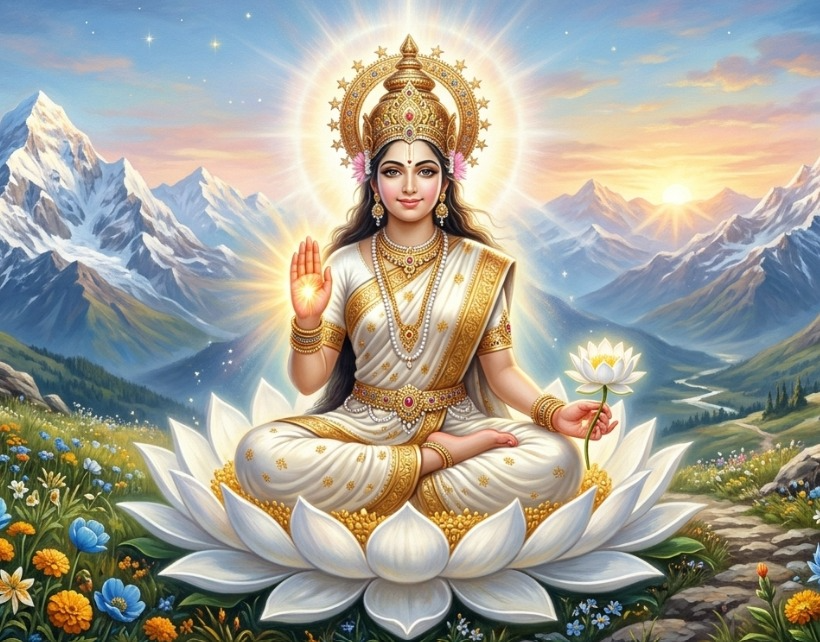
Aditi (traditionally revered as Devamata, the primordial Mother of the Gods and the personification of boundless infinity) is the Vedic devi associated with maternal shelter, spiritual awakening, freedom from bondage, and universal support. Positioned prominently in the sacred Ishanya Kon quadrant, this energy field controls how protected, peaceful, and spiritually aligned the occupants feel inside their home.
Pada in Vastu Purush Mandal
Aditi resides as the seventh energy field (pada) along the Uttar disha outer perimeter. She sits directly next to Bhujang (the 6th pada / N6) and transitions toward Diti (the 8th pada / N8), anchoring the pure spiritual zone of the Ishanya Kon.
What does this Pada do
Aditi provides the comforting, protective energy required to dissolve fear and insecurity, bring absolute clarity of thought, foster harmonious family bonding, and open the mind to higher spiritual wisdom.
Probable Signs of an Imbalance
If this Pada is blocked or disturbed by heavy storage, fire elements, or toilets, the following issues often manifest in the household:
Insecurity and Mental Confusion: Family members feel emotionally unsupported, anxious, and mentally scattered, struggling to make clear life decisions.
Lack of Peace and Harmony: Occupants experience recurring domestic friction, a feeling of restriction or entrapment, and a disconnect from spiritual or inner peace.
Balancing and Optimization
To maintain a pure, expansive flow of Aditi's nurturing energy, this crucial N7 zone must be carefully managed:
Ideal for Meditation and Prayer: This is an exceptionally auspicious zone for a meditation corner, a quiet reading nook, or a sacred prayer space that promotes mental stillness.
Strict Prohibition of Heavy Clutter and Fire: Keep heavy furniture, storage piles, toilets, and open stoves completely out of this zone, as weight and fire obstruct the light, pure water-and-space balance of the North-East.
Enhance with Pure and Light Hues: Decorate this area using pristine off-white, soft cream, or subtle pastel yellow and sky-blue tones, keeping the space open, airy, and filled with natural light.
Naam Mantra
ॐ भूर्भुवः स्वः अदितये नमः॥
Naivedya (Offerings)
Sweetened rice pudding or Kheer (खीर), Fresh white lotus or jasmine flowers (श्वेत पुष्प) and Pure cow ghee sweets (शुद्ध घृत मिष्ठान)
Modern Vastu Pada and Degrees
N7
Angular Degree from Centre: 22.5° to 33.75°